Genotype epigenome phenotype integration reveals peripheral immune contributions to type I bipolar disorder
Lei Hou and colleagues integrated peripheral immune epigenomics, whole-genome sequencing, and clinical data to study type I bipolar disorder.

Lei Hou and colleagues integrated peripheral immune epigenomics, whole-genome sequencing, and clinical data to study type I bipolar disorder.
Led by Bill Li, this work introduces cross-trait polygenic prediction as a strategy for using phenome-wide PGS libraries in deeply phenotyped cohorts to reveal multiple polygenic …

Alzheimer’s disease (AD) is a neurodegenerative disorder characterized by progressive cognitive decline, yet its epigenetic underpinnings remain elusive.
Statistical and computational methods for understanding interindividual differences in disease.
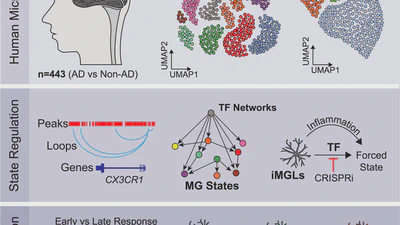
Here we report 194,000 single-nucleus microglial transcriptomes and epigenomes across 443 human subjects and diverse Alzheimer's disease pathological phenotypes.
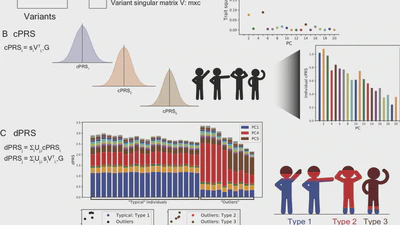
Polygenic risk score (PRS) has been proposed for disease risk prediction with potential clinical relevance for some traits, but its personalized interpretation is generally …