Research: disease heterogeneity dissection
Interindividual differences in the disease are the wild west of biomedical data science. Why does the same disease affect individuals so differently? Some people progress faster, develop different complications, or respond differently to treatment. We have collected a large amount of data from many cells and individuals. However, little is known about the biological basis of disease heterogeneity. Precise mapping of disease heterogeneity will lead to more effective disease prevention, management, and treatment.
Our group investigates the disease heterogeneity from statistical and computational perspectives. We combine our expertise in statistical genetics, computational biology, and biomedical data science to develop a new quantitative framework for mapping and analyzing heterogeneity in disease.
Major research directions
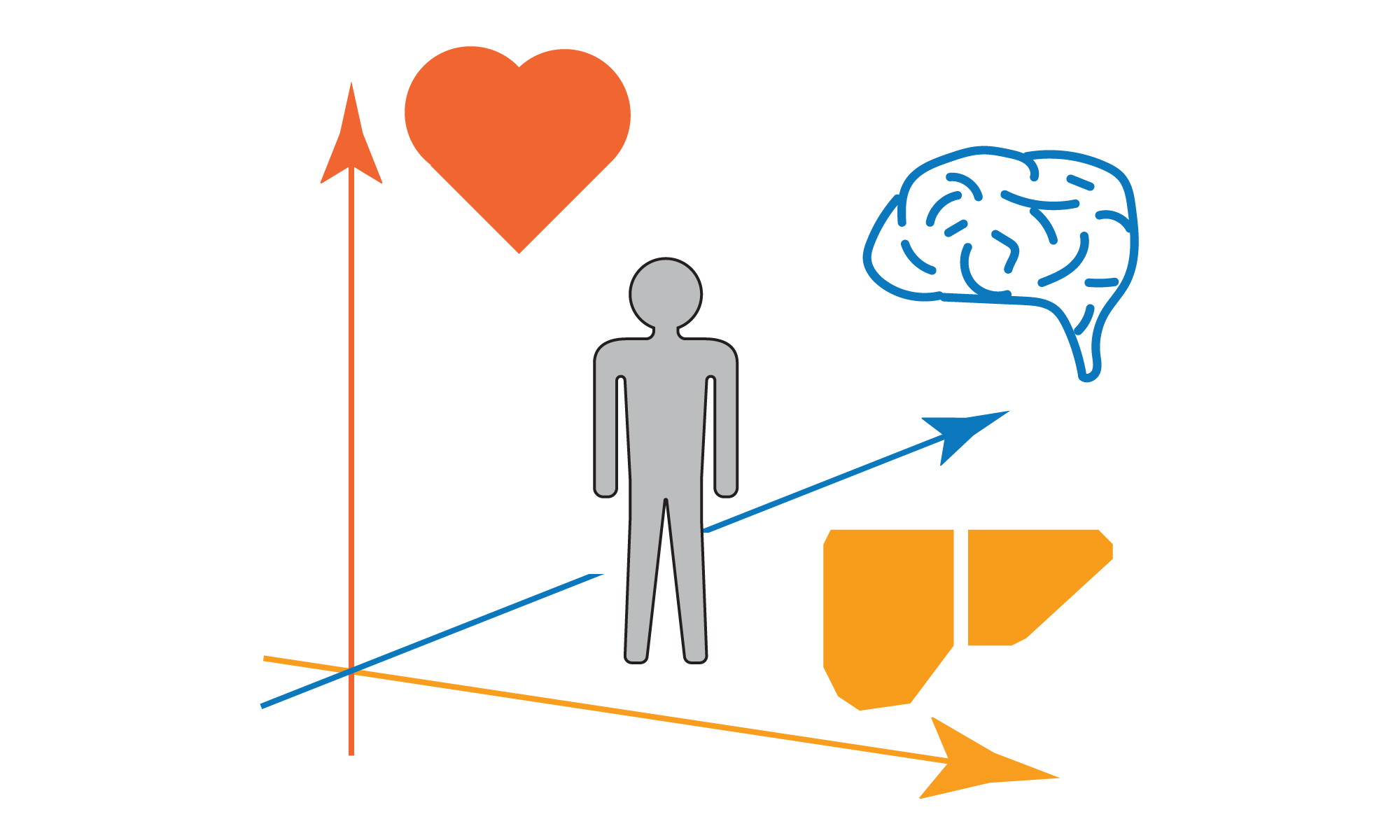
Disease heterogeneity dissection
Diagnosis for the same disease affects individuals differently. However, we don’t know how best to represent biologically meaningful axes of variation within a disease, beyond the standard case vs. control comparison or proxy measure of severity. We combine human genetics, causal inference, and modern AI to address this challenge.
- Decomposition of genetic associations across many phenotypes
- Causal representation learning from pleiotropic associations
- Assessing the biological bases of disease subtypes
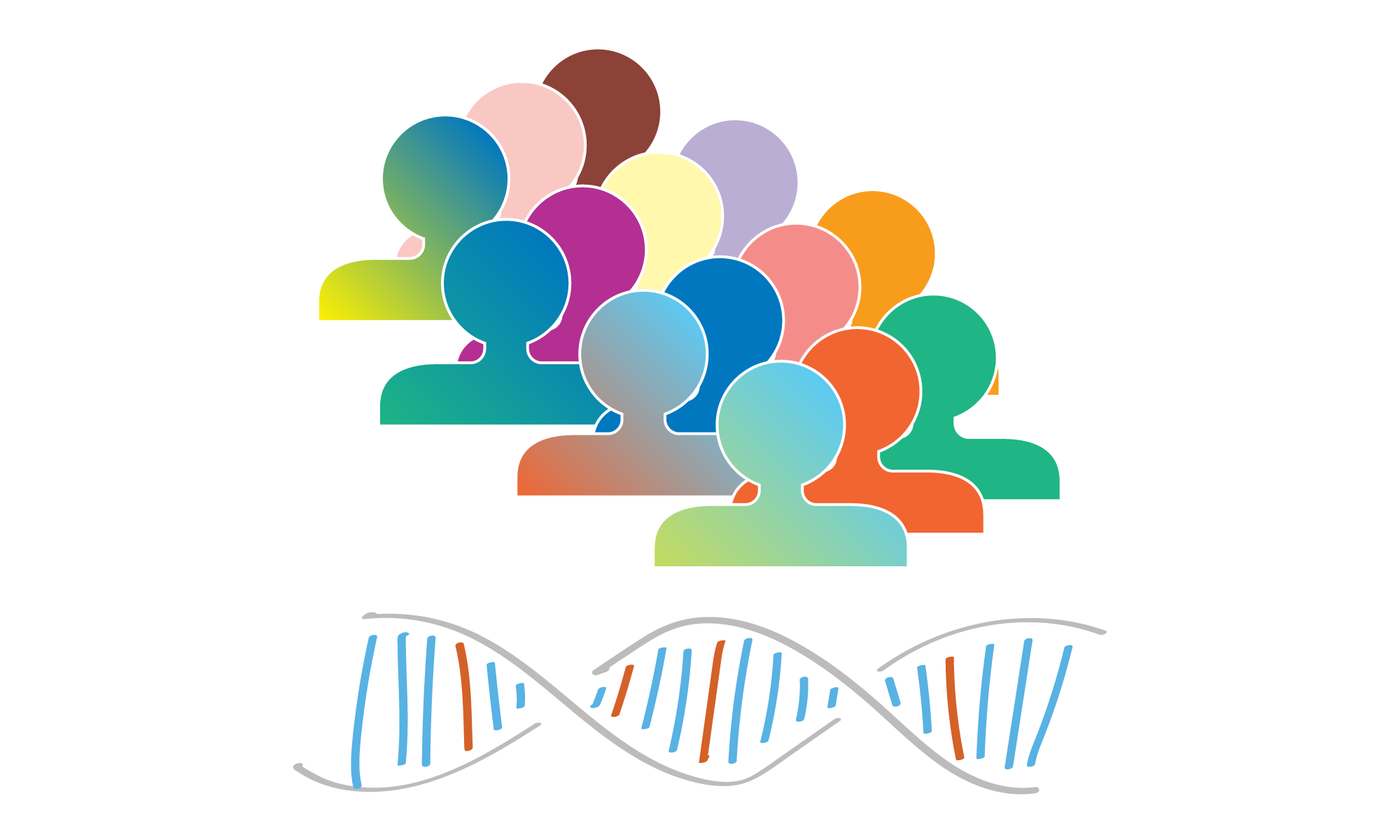
Predictive modeling of disease
Accurate prediction of disease risk using genomics enables earlier identification of individuals at elevated risk and facilitates more effective prevention strategies. However, existing genetic approaches show limited generalizability across cohorts and lack biological interpretation. We develop robust and biologically interpretable models using high-dimensional data.
- Systematic integration of genomic annotations into predictive models
- Biologically interpretable sparse models for genetic prediction of disease
- Flexible predictive modeling applicable across distinct contexts
Therapeutic target discovery
Low success rates in clinical trials remain a major challenge in drug development. We leverage our expertise and bring human genetic evidence to therapeutic target discovery and validation. We envision nominating therapeutic targets for disease subtypes based on their underlying biology.
- Experiments by nature
- Rare variant associations
- Translational genomics and pharmacogenetics
Learn more about our work
Below are some selected examples of external coverage.
- Making genetic prediction models more inclusive
- Author interview by American Journal of Human Genetics
- Gene variants that protect against glaucoma identified, opening therapeutic possibilities | FinnGen
- Method goes “below the limit” to enhance genetic discovery | MIT CSAIL
- Unlocking new predictive powers in personalized genetic risk forecasts | MIT CSAIL
- Yosuke Tanigawa | Innovators Under 35
You can also watch a short video overview below.