Genotype epigenome phenotype integration reveals peripheral immune contributions to type I bipolar disorder
Lei Hou and colleagues integrated peripheral immune epigenomics, whole-genome sequencing, and clinical data to study type I bipolar disorder.

Lei Hou and colleagues integrated peripheral immune epigenomics, whole-genome sequencing, and clinical data to study type I bipolar disorder.
Alzheimer’s disease (AD) is a neurodegenerative disorder characterized by progressive cognitive decline, yet its epigenetic underpinnings remain elusive.
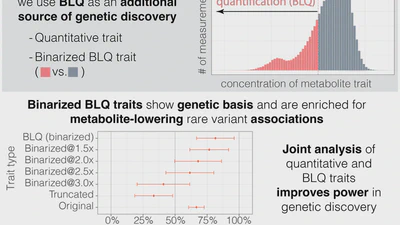
We introduce "hypometric genetics," an approach to investigate the genetic basis of binarized traits representing the presence of below-the-limit-of-quantification (BLQ) quality …
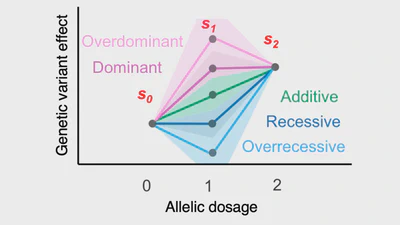
We developed GenoBoost, a polygenic score modeling approach, incorporating both additive and non-additive genetic dominance effects.

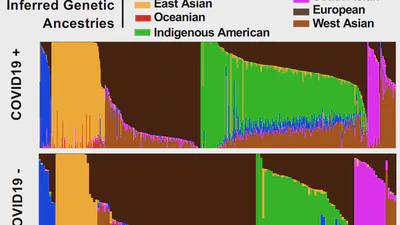
We developed a polygenic score training approach that allows direct inclusion of admixed individuals without the need for local ancestry inference and showed ancestry-diverse …
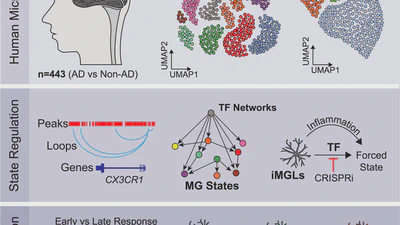
Here we report 194,000 single-nucleus microglial transcriptomes and epigenomes across 443 human subjects and diverse Alzheimer's disease pathological phenotypes.
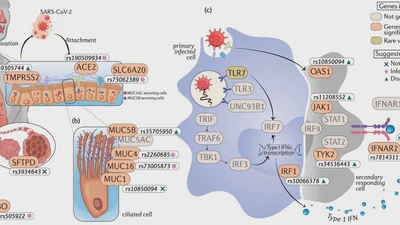
The consortia released a manuscript describing the results from meta-analysis data freeze version 7.
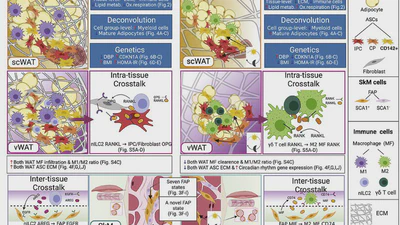
- Single-cell dissection of obesity-exercise axis in adipose-muscle tissues - Data Browser
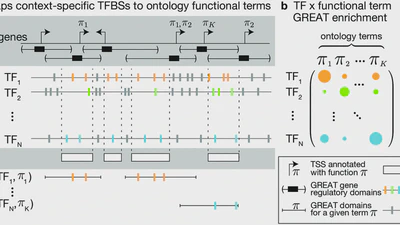
We develop an ontology-guided approach to ranking tissue-/cell-type-specific transcription factors (TFs) from chromatin accessibility data.